16 July 2026

What Does Water Resistance Actually Mean?

Understanding One of Watchmaking’s Most Misunderstood Specifications

Few specifications in watchmaking are as familiar as water resistance, yet few are misunderstood quite as often. Whether engraved on a caseback, printed on a dial or listed within a specification sheet, it is a figure that appears on everything from elegant dress watches to professional dive watches. Sometimes expressed in metres, sometimes in bar or ATM, the rating has become such a familiar part of modern watchmaking that many collectors rarely stop to question what it actually represents. At first glance, the answer appears straightforward. A watch rated to 30 metres should be capable of reaching 30 metres underwater, while a watch rated to 100 metres should comfortably withstand conditions at that depth. Yet water resistance is one of those specifications where the apparent simplicity of the number conceals a far more nuanced reality.

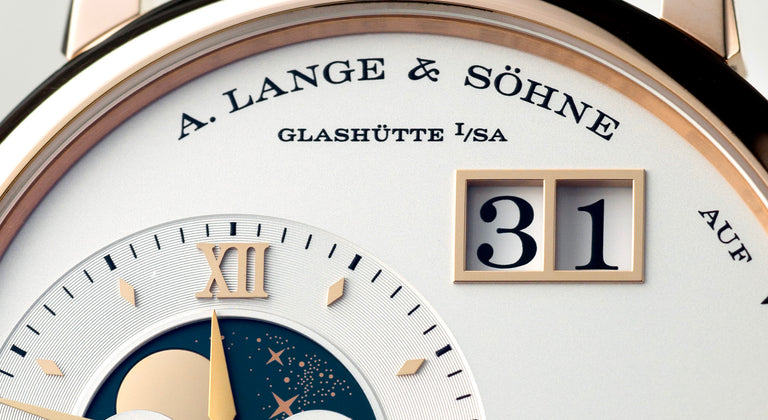
Perhaps the biggest surprise for many collectors is how modest the water resistance can be on some of watchmaking’s most celebrated creations. It is not unusual to find ultra thin perpetual calendars, elegant dress watches and highly complicated pieces rated to just 30 metres. At first glance, that can seem surprising. Surely a watch of such complexity should offer more? In reality, water resistance has never been a measure of quality. It is one of many engineering decisions made in pursuit of a particular goal. Where a dive watch is designed around robustness and performance in demanding environments, a dress watch may instead prioritise slimness, refinement, comfort and mechanical sophistication. Both represent exceptional watchmaking, but they have been created with entirely different purposes in mind. This distinction lies at the heart of what water resistance actually represents. Contrary to what the metre rating might suggest, these figures are not intended to describe how deep a watch can safely travel underwater. Rather, they indicate the amount of pressure a watch can withstand under controlled testing conditions. Whether expressed in metres, bar or ATM, the rating is better understood as a measure of capability than a practical guide to depth.

Manufacturers do not determine these ratings by lowering watches into the ocean and observing when water enters the case. Instead, watches are tested inside specialised pressure chambers where pressure is applied gradually and evenly. Under these controlled conditions, a watch rated to 30 metres must withstand approximately 3 bar of pressure, while a watch rated to 100 metres is tested to around 10 bar. For all practical purposes, a rating of 100 metres, 10 bar or 10 ATM communicates the same level of water resistance. The challenge, of course, is that real life rarely resembles a laboratory. Water is dynamic, and so is the person wearing the watch. Diving into a swimming pool, jumping from a boat, swimming at speed or exposing a watch to sudden changes in temperature can all generate forces that differ significantly from those experienced during testing. This is why many manufacturers recommend that a watch rated to 30 metres be limited to everyday contact with water, such as rain, hand washing and accidental splashes, although recommendations can vary between brands. The rating itself is not misleading, but it is often interpreted differently from how it was intended.

One of the best examples of this came in 2024, when Patek Philippe reduced the published water resistance of its Nautilus and Aquanaut collections from 120 metres to 30 metres without fundamentally changing the watches themselves. Rather than reflecting a reduction in capability, the change marked a new, more conservative approach to testing and certification across the collection. Despite the lower figure, Patek Philippe states that these watches remain suitable for activities including swimming, which differs from the guidance offered by many other manufacturers, where a 30 metre rating is generally intended only for everyday contact with water, such as rain, hand washing and accidental splashes. It serves as a reminder that water resistance ratings are not always directly comparable between brands and that the manufacturer’s own guidance should always take precedence over the number printed on the specification sheet.

Perhaps that is why water resistance continues to generate so much confusion. The number itself appears wonderfully simple, yet without understanding the philosophy behind the watch, it tells only part of the story.

Understanding Common Water Resistance Ratings

While water resistance ratings are determined under controlled laboratory conditions rather than real world use, they provide a practical indication of the environments a watch was designed to handle.

30m / 3 Bar / 3 ATM – A 30 metre rating is most commonly found on dress watches and slimmer case designs. It is intended to protect against everyday exposure to water, such as rain, hand washing and the occasional splash, but should not be considered suitable for swimming or prolonged immersion. Many of watchmaking’s finest dress watches carry this rating, reflecting their emphasis on elegance, slim proportions and refined finishing rather than aquatic performance.

50m / 5 Bar / 5 ATM – Offering a greater margin of protection, a 50 metre rating is well suited to everyday wear and provides additional reassurance around water. It is better equipped to cope with unexpected exposure than a 30 metre watch and, depending on the manufacturer’s guidance, may also be suitable for light swimming. It remains, however, an everyday rating rather than one intended for frequent water sports.

100m / 10 Bar / 10 ATM – For many owners, 100 metres represents the ideal balance between elegance and versatility. It is widely regarded as suitable for swimming, snorkelling and most recreational water activities, making it one of the most common ratings found on modern sports watches. At this level, manufacturers typically employ more robust case construction and sealing systems, providing a significant increase in water resistance over everyday dress watches.

200m / 20 Bar / 20 ATM – At 200 metres, water resistance becomes a defining part of the watch’s engineering rather than simply another specification. Watches in this category are generally suitable for swimming, water sports and recreational scuba diving, with screw down crowns, reinforced case construction and enhanced sealing systems becoming increasingly common. It is around this point that many purpose built dive watches begin to appear.

300m / 30 Bar / 30 ATM and Beyond – Ratings of 300 metres and above are typically reserved for professional dive watches. Engineered to withstand substantially greater pressure, these watches are designed for demanding underwater environments while offering exceptional durability in everyday wear. Although few owners will ever approach these depths, they represent some of the most technically capable sports watches in modern watchmaking.

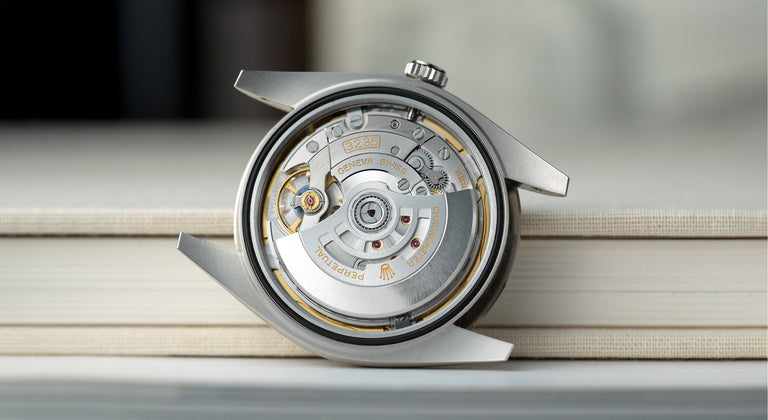
What is often overlooked is the amount of engineering required to achieve those higher ratings. Every opening in a watch case presents a potential point of vulnerability, from the crystal and caseback to the crown itself. As water resistance increases, so too does the complexity of the construction. Thicker crystals, screw down crowns, reinforced seals and more robust case architectures are not merely visual signatures of sports watches. They are practical solutions developed to create a greater margin of security against one of watchmaking’s oldest enemies: moisture. There is, however, one final consideration. Water resistance is not permanent. The gaskets responsible for keeping moisture out naturally age over time, gradually losing their effectiveness. Exposure to heat, cold, saltwater and everyday wear all contribute to this process, which is why regular servicing and periodic pressure testing remain essential, particularly for watches that are frequently exposed to water. Interestingly, a recently serviced 30 metre dress watch may offer more reliable water resistance than a neglected sports watch originally rated to 100 metres. The number alone never tells the whole story.

Ultimately, water resistance should be viewed less as a measure of depth and more as a reflection of purpose. Every watch represents a series of carefully considered decisions, balancing aesthetics, functionality and engineering in different ways. A slim dress watch and a professional dive watch may approach water resistance from opposite directions, yet both can be exceptional examples of watchmaking. Understanding that distinction not only helps avoid costly mistakes, but offers a deeper appreciation of the thought, craftsmanship and engineering behind every watch we wear.

Your Bag
Enquiry
Provide information about your watch

I would prefer to be contacted by

Where did you hear about us?

By submitting this form, you are subject to our Terms & Conditions.